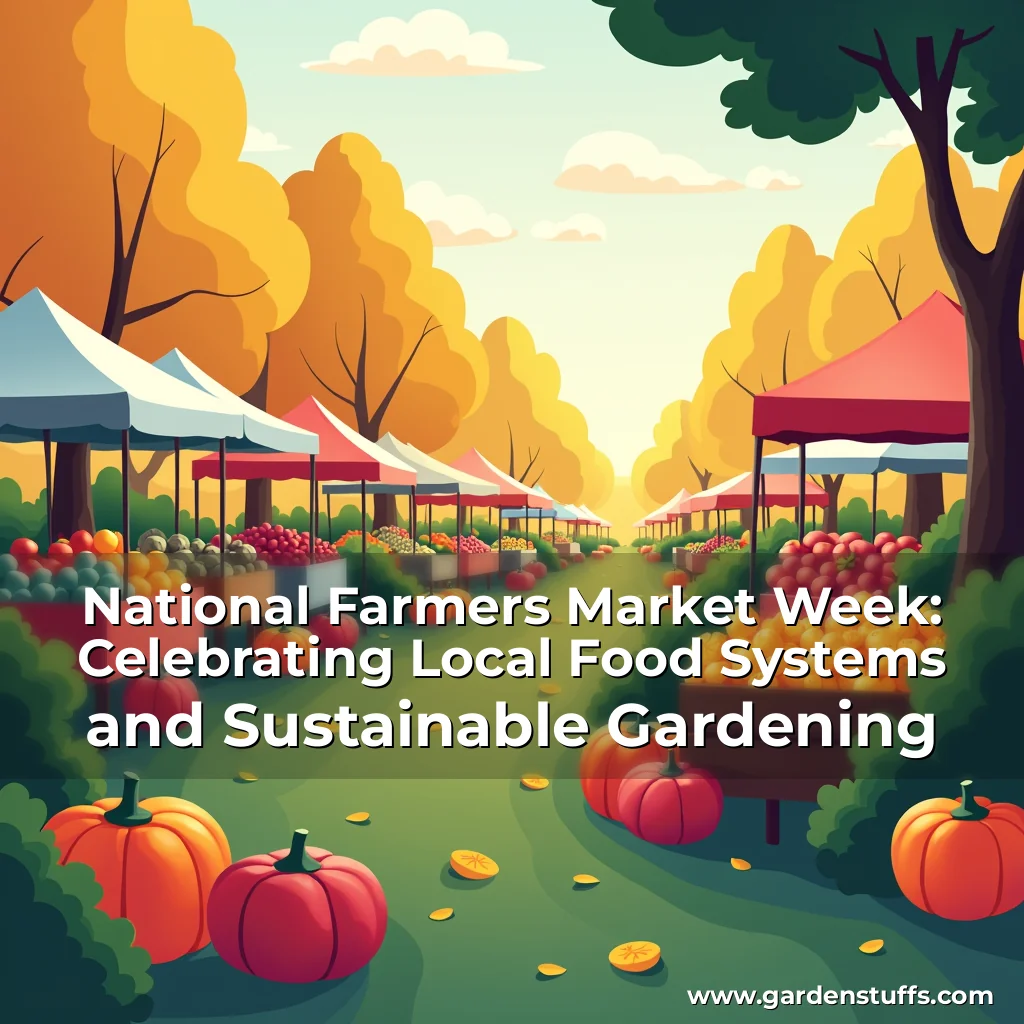
Farmers markets play a vital role in our nation’s food system by supporting local economies, enhancing food access and nutrition, and fostering social connections. They provide economic opportunities for farmers and small businesses, boost community engagement, and promote healthier lifestyles by offering fresh, local produce.
- Farmers markets support local economies by providing a platform for farmers to sell their products directly to consumers, cutting out intermediaries and ensuring a larger share of the profit goes to the producer.
- They enhance food access and nutrition by providing access to fresh, locally grown produce, reducing the need for industrial agriculture and promoting healthier eating habits.
- Farmers markets foster social connections by bringing people together in a shared space, promoting community engagement and social cohesion.
During National Farmers Market Week, which takes place from August 3-9, farmers markets across the country will come together to celebrate the importance of local food systems and sustainable gardening practices. This week-long celebration is an opportunity to highlight the many benefits of farmers markets and the role they play in supporting local economies and promoting healthy eating habits.
Some farmers markets will also feature special events and activities during National Farmers Market Week, such as workshops, demonstrations, and tastings. These events will provide an opportunity for customers to learn more about sustainable gardening practices and the benefits of buying locally grown produce.
In addition to supporting local economies and promoting healthy eating habits, farmers markets also provide a platform for farmers to share their knowledge and expertise with customers. Many farmers markets feature information tables where customers can ask questions and receive advice on gardening and cooking.
Sonoma County Master Gardeners are present at several different farmers markets each week, generally from spring through fall. They can be found at information tables where they can answer questions and provide area-specific gardening leaflets and reference books. For a complete listing of locations, dates, and hours of their 2025 farmers market participation, customers can visit tinyurl.com/2b6y43nb.
As we head into the fall season, it’s the perfect time to start planning and planting cool-season vegetable gardens. Cool-season crops such as broccoli, cauliflower, and kale are ideal for planting in the fall, as they prefer the cooler temperatures and can tolerate light frosts.
Before planting, it’s essential to prepare the soil by adding compost and mulch. Mulch will help retain moisture, suppress weeds, and regulate soil temperature, creating a favorable environment for cool-season crops to grow. It’s also a good idea to remove finished summer crops by cutting them just below the soil line, leaving the roots to decompose in place.
Other gardening tips for the fall season include pruning, which is essential for maintaining the health and appearance of plants. Pruning can also help to prevent disease and pests, and promote healthy growth. Some of the best times to prune are in the late afternoon, when the sun is not too intense, and after a light rain.
For more information on cool-season vegetable gardening, including tips on preparing the soil, planting, and pruning, visit bit.ly/3AMYnP5.
Pruning and Mulching for a Healthy Garden
Pruning is an essential part of gardening, and it’s particularly important during the fall season. Pruning can help to maintain the health and appearance of plants, prevent disease and pests, and promote healthy growth.
- Pruning can help to prevent disease and pests by removing infected or damaged areas of the plant.
- Pruning can also help to promote healthy growth by removing dead or dying leaves and branches, and encouraging the plant to focus its energy on healthy growth.
- Pruning should be done in the late afternoon, when the sun is not too intense, and after a light rain.
- Mulching is also an essential part of gardening, and it can help to retain moisture, suppress weeds, and regulate soil temperature.
For more information on pruning and mulching, including tips on how to do it effectively, visit bit.ly/3AMYnP5.
California Native Plants: Understanding the Fifth Season
The “Fifth Season” in California refers to the hot, dry period from mid-summer to mid-fall, characterized by a lack of rain and plants entering a state of dormancy or reduced activity. This period follows the spring and early summer blooms and precedes the fall and winter rains.
- During the Fifth Season, many native plants become dormant or semi-dormant, conserving energy and resources until the return of the rains.
- The landscape can appear dry and brown, with many plants showing faded or dried foliage and spent flowers.
- Some plants, like tarweed, may still be in bloom, attracting wildlife during this period.
- The best time to plant California natives is in the fall, winter, or early spring, when the weather is cooler and rainfall is more frequent.
By understanding the Fifth Season and how it affects California native plants, gardeners can better appreciate the resilience and adaptability of these plants, and plan their gardening activities accordingly.
Cool-Season Vegetable Gardening
Cool-season crops are ideal for planting in the fall, as they prefer the cooler temperatures and can tolerate light frosts. Some of the best cool-season crops for fall include broccoli, cauliflower, and kale.
Before planting, it’s essential to prepare the soil by adding compost and mulch. Mulch will help retain moisture, suppress weeds, and regulate soil temperature, creating a favorable environment for cool-season crops to grow.
Other gardening tips for the fall season include pruning and removing finished summer crops. Pruning can help to maintain the health and appearance of plants, prevent disease and pests, and promote healthy growth.
news is a contributor at GardenStuffs. We are committed to providing well-researched, accurate, and valuable content to our readers.
You May Also Like